By Primary DHIS
•
July 21, 2026
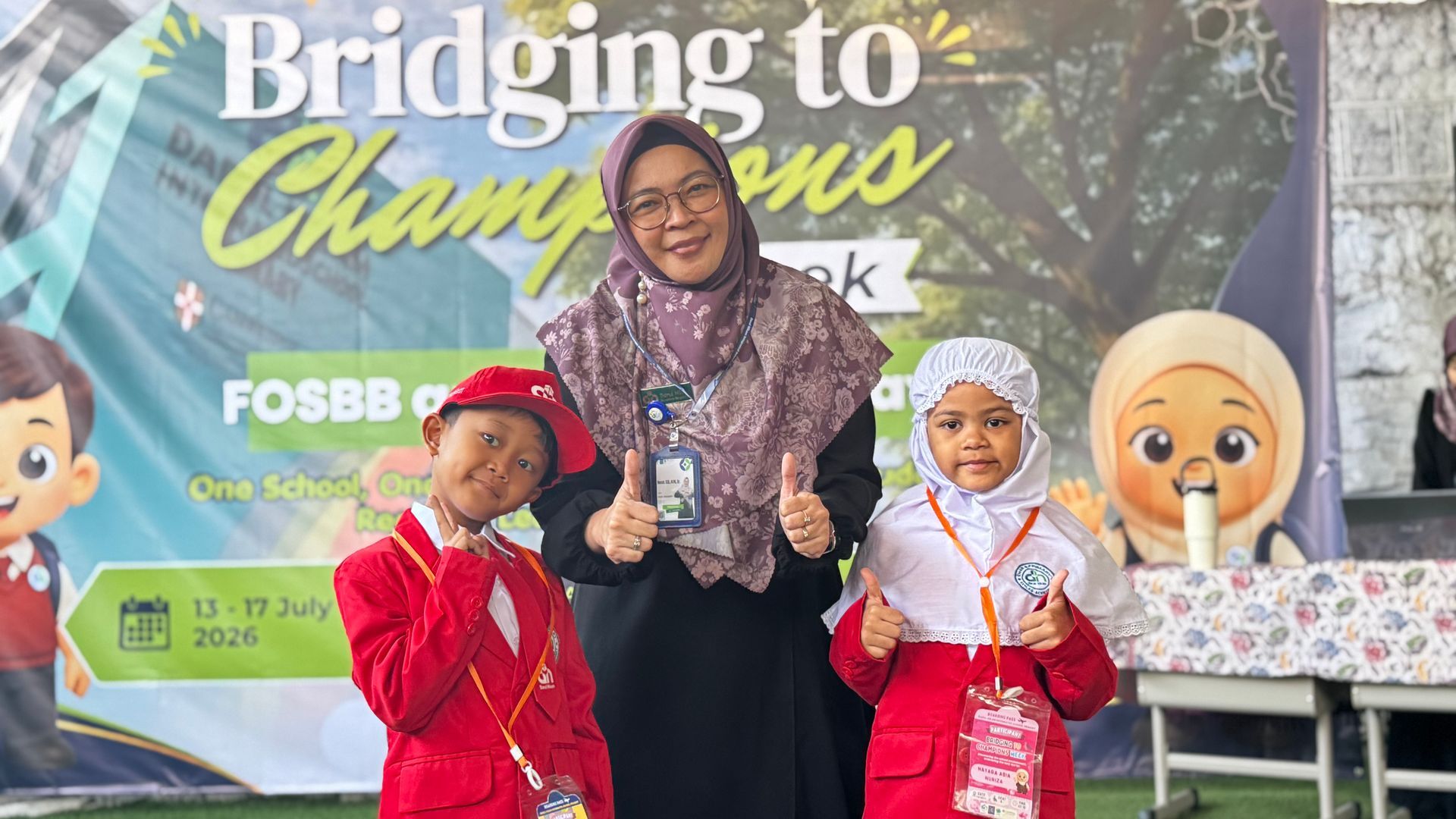
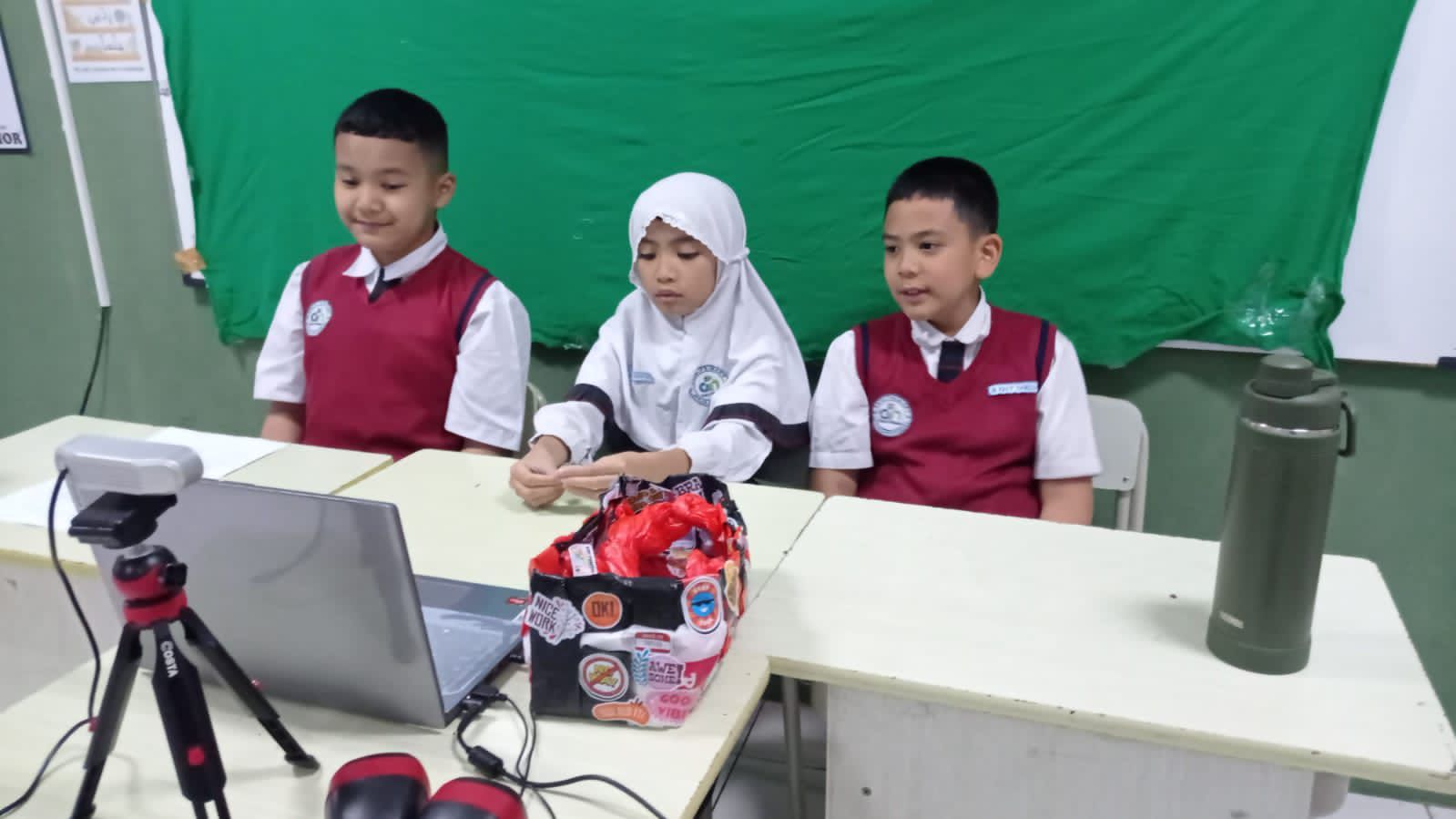
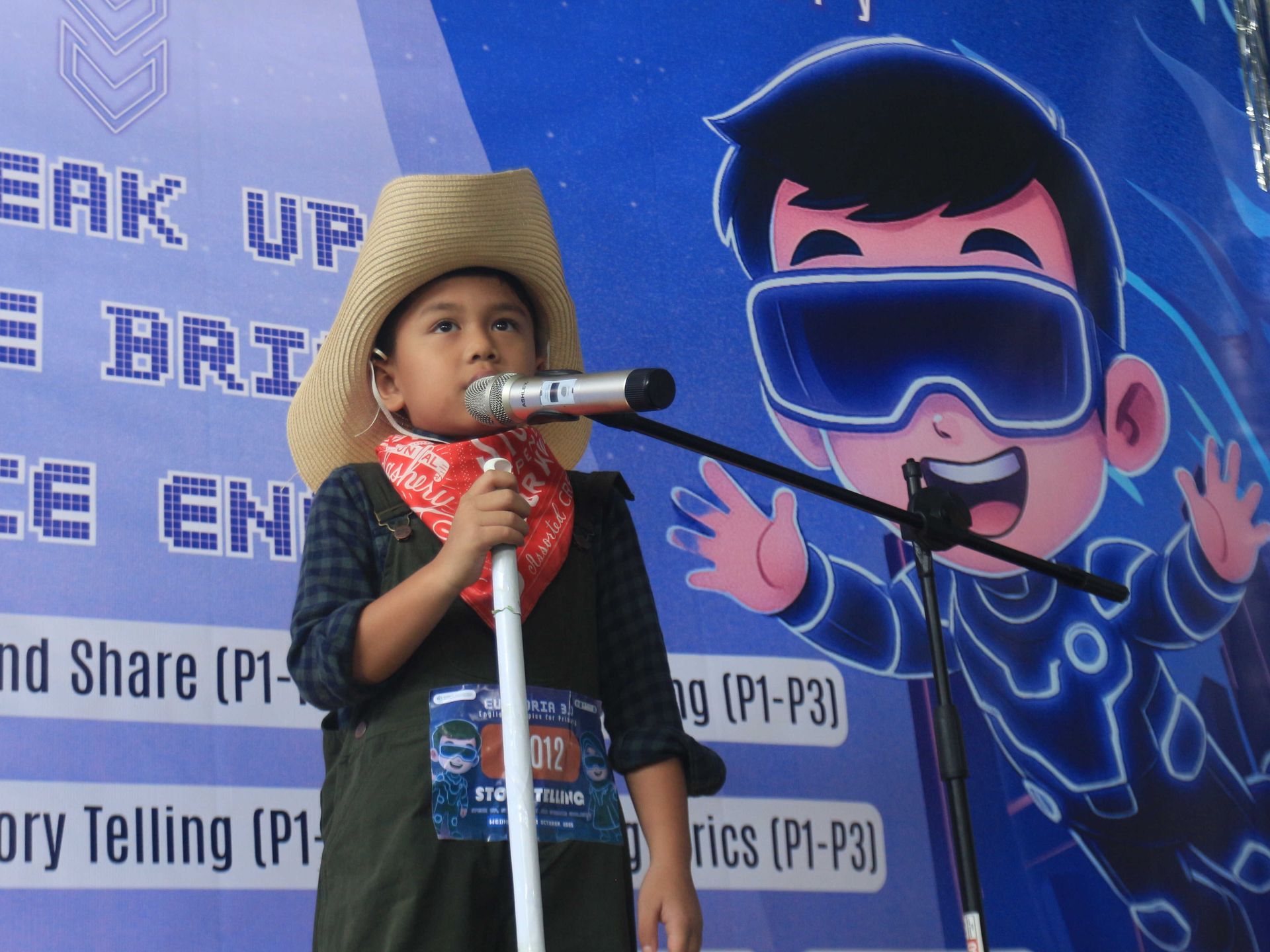
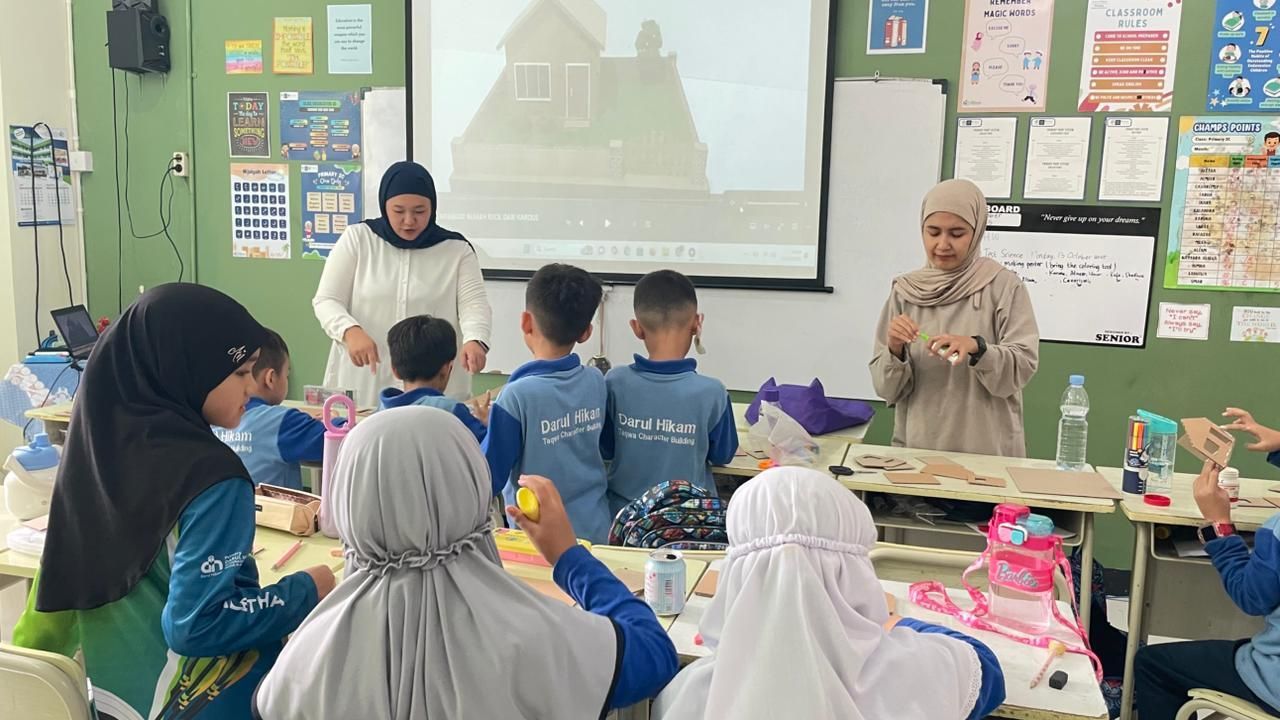
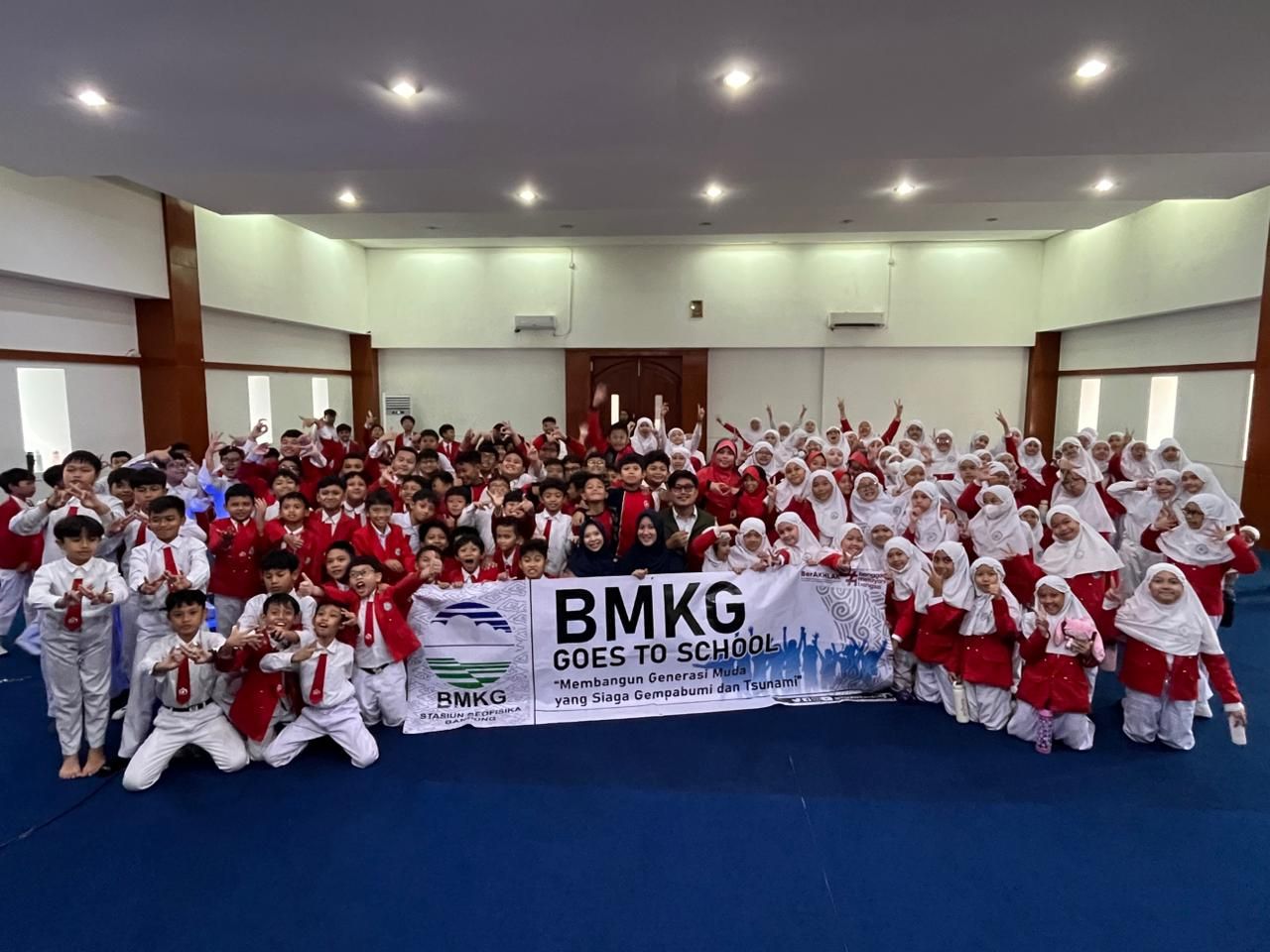
On the morning of 13 July 2025, a new cohort of Primary 1 students walked through the gates of DHIS Primary Katamso for the very first time. Over the six days that followed, they would learn the school's rules, meet their teachers, build their first friendships, try their hand at a STEM project, deepen their love for the Qur'an, and make a personal promise for the year ahead. The program behind this journey, the Forum Orientasi Siswa Berakhlak Berprestasi (FOSBB) and Al-Qur'an Days, forms part of Darul Hikam's “Bridging for Champions Week,” an orientation designed not just to welcome new students, but to plant the seeds of character, faith, and confidence from day one. Why Orientation Matters FOSBB was built around a simple but ambitious idea: a child's very first days at school shape how they see themselves as a learner and as a person. The program set out to introduce new students to Darul Hikam's culture, rules, and environment; to instill foundational adab and character, with particular emphasis on being Trustworthy (Amanah) and Caring (Peduli); and to familiarize students with the ten Budaya Berakhlak Berprestasi (BBB) and the values of Taqwa Character Building (TCB) that guide behavior on campus. Just as importantly, the orientation doubled as an early profiling exercise, allowing teachers to assess each child's readiness to learn, academic starting point, adab, and religious practice, laying the groundwork for the matriculation program that would follow. Five Days, Five Themes The week unfolded like a story, with each day building on the one before it. Day 1, “Proud to Be a Darul Hikam Student,” opened with a welcome assembly and a full school tour, introducing students to their classrooms, the mosque, the clinic, the canteen, and the play areas. Students met their teachers and classmates, were introduced to the BBB and TCB values, and learned the basics of adab and anti-bullying culture. The day closed with a shared buffet lunch, a small but deliberate exercise in independence and table manners. Day 2, “I Am Ready to Learn and Discover My School's Excellence,” brought parents into the picture. Families were walked through the SIDHIQ learning app, class schedules, and school programs. Students then took part in the JAGA Declaration, a pledge to keep their school clean, safe, and comfortable, followed by a reflective “I Am a Darul Hikam Student” session and an introduction to the matriculation class activities. Group games rounded out the day, helping shy newcomers open up to their peers. Day 3, “STEM and Global Citizenship,” introduced students to Science, Technology, Engineering, and Mathematics through “My First STEM Challenge.” Children then built simple kaleidoscopes out of recycled tubes in a hands-on mini project that combined creativity, teamwork, and an early lesson in caring for the environment. Day 4, “I Love and Connect with the Qur'an,” centered on faith and worship. The day began with Dhuha prayer practice, from ablution to prayer formation, and continued with “I Love Al-Qur'an,” teaching students the etiquette of handling and reading the Qur'an daily. In “Hello Qur'an,” older students mentored the newcomers through hijaiyah letters and recitation as part of the Qur'an Buddy program, while “Living as a Young Moslem” reinforced the five daily prayers and daily supplications. The day closed with an individual Qur'an reading assessment for every student, giving teachers a clear baseline for future instruction. Day 5, “I Am Ready to Build Good Character and Achieve Excellence,” encouraged students to see themselves as capable of real achievement. Through “Ready to Achieve,” children learned about the school's competitions and activities and were encouraged to persevere through difficulty. In “My Promise Card,” each student wrote a personal commitment for the year ahead, while “Discover, Play, and Learn” used educational and traditional games to gently map each child's early literacy, numeracy, and social skills. On the last day, brought the week to its close with a joint closing ceremony alongside the Majelis Pendidikan Darul Hikam (MPDH) at the Saintek Dago campus, followed by fun games with fellow Primary students, prize-giving, group photos, and FOSBB souvenirs. The week ended with “moving class,” as students left their orientation groups behind and stepped into their actual classrooms, marking the official start of the school year. A Strong Start, By the Numbers The results suggest the program did what it set out to do. According to teacher observation and the LHBM assessment, more than 80 percent of new Primary 1 students demonstrated an understanding of school rules and basic discipline by the end of the week, meeting the program's target. Students were seen following rules, keeping their belongings and surroundings tidy, and showing respect toward teachers and classmates, early but visible signs of the Trustworthy and Caring values at the heart of the program. Attendance across the week was strong, with only a handful of absences due to illness, and those students received catch-up support. Every planned activity was delivered, with only one adjustment: the STEM mini project ran long and was rescheduled from Wednesday to Friday without disrupting the rest of the week. Most students adapted well to their new environment, teachers, and routines, though some needed extra support with transitions and independence in the early days. A small number of children showed separation anxiety when parents left, which eased as the week went on. No incidents of bullying or safety concerns were recorded, and parents responded positively to the program overall. What Comes Next The orientation was never meant to stand alone. Its findings will directly shape the matriculation program, with targeted support planned for students who need more help with adaptation, independence, discipline, social interaction, or emotional regulation. Teachers will continue reinforcing TCB values, 10 akhlak of Darul Hikam, the JAGA culture, adab, and worship practices in daily lessons, while homeroom teachers work more closely with parents to support each child's adjustment both at school and at home. Looking ahead, the school plans to keep the interactive, hands-on activities that made adaptation feel less daunting, add more opportunities for new students to connect with older peers, and build in more flexible time for practice-based activities like adab, worship, and campus familiarization. For DHIS Primary Katamso's new students, the first week of school was never just about learning the rules. It was about discovering, on day one, what it means to be trustworthy, caring, and ready, both to learn and to belong.